Posted on 13/10/2026
Fitzrovia council rules for pavement flower stalls: a practical guide for traders, florists and shop owners
If you are setting up a pavement flower stall in Fitzrovia, the rules can feel a bit murky at first. One minute you are thinking about buckets, bouquets and footfall; the next you are dealing with permits, pavement width, obstruction concerns and the fine print of local compliance. Truth be told, that is where many good ideas stumble.
This guide breaks down the Fitzrovia council rules for pavement flower stalls in plain English. We will look at what the rules are trying to achieve, how the process usually works, what you need to think about before putting flowers outside, and the common mistakes that can lead to complaints or a refusal. It is written for people who want to do things properly, without unnecessary jargon, and with a realistic sense of how central London pavements actually work on a busy weekday morning.
Whether you are a florist, a shopkeeper, a market trader or a business owner trying to make a small frontage more inviting, you will find practical steps, useful checks and a few hard-earned tips that save time later. Let's get into it.
Why Fitzrovia council rules for pavement flower stalls Matters
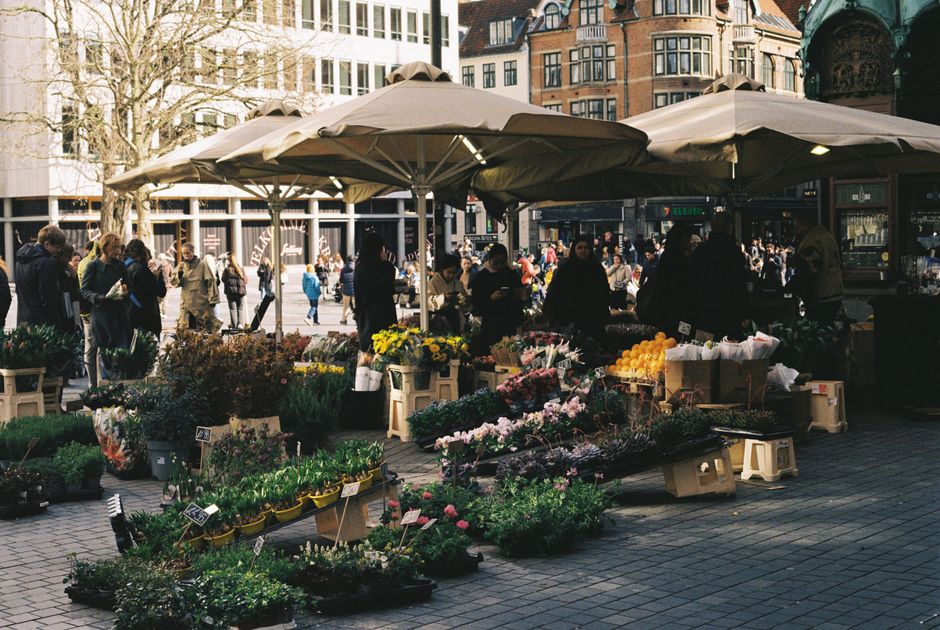
Fitzrovia is one of those London neighbourhoods where pavements do a lot of heavy lifting. People walk quickly, deliveries stop and start, bikes pass through, and there is often a constant mix of office workers, residents, visitors and passers-by. In that kind of environment, even a small display of flowers can make a big difference - but it can also create a problem if it is not placed carefully.
The council rules matter because the pavement is public space. Your stall may look modest to you, but to everyone else it has to fit into a shared route used by wheelchair users, parents with prams, people with sight loss, cyclists pushing bikes and the general stream of foot traffic that never quite stops. A display that feels tidy for ten minutes can become awkward at rush hour.
That is really the heart of it. These rules are not there to block trade for the sake of it. They exist to balance business activity with safe, accessible public access. If you ignore that balance, complaints tend to follow. First it is a polite word from a neighbour or another business, then maybe a site visit, then you are into avoidable hassle. Nobody wants that. Not for a few buckets of roses.
There is also the practical side. A pavement stall that is well placed, properly managed and compliant often looks better, lasts longer and draws more interest. Customers trust a display that feels organised. A cluttered or obstructive setup, on the other hand, can make a frontage feel cramped and slightly chaotic, even if the flowers themselves are beautiful.
Expert summary: In Fitzrovia, the best flower stall is usually the one that looks effortless to pedestrians because the trader has done the careful work behind the scenes. Space, visibility, access and tidy presentation all matter more than people expect.
How Fitzrovia council rules for pavement flower stalls Works
At a practical level, the rules for a pavement flower stall usually come down to permission, placement and ongoing management. You need to understand whether the pavement outside your premises can support a stall, what conditions apply, and how much of the footway you can use without obstructing movement.
In many London areas, council officers look at the stall's size, position, stability, visual impact and effect on pedestrian flow. Fitzrovia sits within central London pressures, so expectations tend to be cautious. That does not mean a flower stall is impossible. It means you need to plan it properly and avoid the "just pop it outside and see what happens" approach. That rarely ages well.
In plain terms, the council is likely to care about four broad things:
- Pedestrian access: Can people move through safely and comfortably?
- Obstruction: Does the stall block doors, shop fronts, crossings, crossings of flow, or tactile paving?
- Appearance and tidiness: Does it look controlled, neat and appropriate for the street?
- Public safety: Will it stay upright, visible and manageable in wind, rain or busy periods?
Sometimes people assume the only issue is whether there is space for the stall itself. In reality, it is often the space around the stall that decides everything. A display may technically fit on the pavement but still be unsuitable because it forces people into the carriageway or creates a pinch point at a doorway. And yes, a handful of buckets can create a surprisingly awkward bottleneck.
It is also worth remembering that Fitzrovia is not a single street with one simple rhythm. A location near a station, a restaurant cluster, a residential terrace or an office-heavy block may produce very different expectations in practice. Morning commuter flow, lunchtime movement and evening footfall all change the picture.
So how does it usually work in real life? You check the space, confirm the relevant permissions, prepare a plan for the stall, and make sure your setup can be maintained without wandering into non-compliance the moment business gets busy. That last part matters more than the paperwork. A compliant plan that cannot survive a windy Tuesday is not much use.
Key Benefits and Practical Advantages
When a pavement flower stall is done properly, the advantages are easy to see. You get more visibility, a more inviting frontage and a stronger chance of catching impulse buyers who might never have stepped inside otherwise. Flowers are naturally attention-grabbing. Sunlight on fresh petals at street level does a lot of quiet marketing for you.
Here are the main practical benefits:
- Better street-level visibility: Flowers outside can make your business easier to spot from a distance.
- Impulse purchases: A well-presented stall can prompt quick decisions, especially for birthdays, apologies, thank-yous and last-minute gifts.
- Brand warmth: A tidy display signals care, freshness and a human touch.
- Seasonal flexibility: You can adjust the display by season, occasion or stock levels.
- Footfall conversion: People who might walk past a shop front are often drawn in by colour and scent.
There is another benefit that is easy to miss: control. A properly planned stall gives you a structured place to show what you want people to notice first. That is much better than scattered stock in the doorway or a last-minute arrangement that looks like it was assembled during a coffee break. To be fair, sometimes it was. We have all seen that.
From a commercial point of view, pavement trading can also help you test demand. Maybe your neighbourhood responds well to seasonal arrangements, sympathy tributes, wedding flowers or small affordable bunches. Maybe it is more about premium bouquets or same-day gifts. The stall becomes a live indicator of what people actually buy when they are walking past, not what you assume they will want online.
If you already run a local floral business, it may also complement your wider offer. Many customers who notice an attractive pavement display later place an order for flower delivery in Fitzrovia W1, or return for a specific occasion once they have seen the quality in person. A display can quietly feed the rest of your sales funnel, even if nobody uses that phrase over a bucket of lilies.
Who This Is For and When It Makes Sense
This topic matters if you fall into any of the following groups:
- Independent florists wanting to increase visibility from the pavement outside their shop
- Convenience shops or gift shops adding flowers to the frontage
- Small business owners testing whether a modest display could improve sales
- Event florists looking for a short-term local presence
- Cafes or lifestyle retailers considering a seasonal or decorative arrangement that also sells
It makes sense when your frontage has enough room, your stock is suitable for street display, and your local footfall includes people likely to buy on the spot. It may also make sense if your business depends on quick-turnaround purchases, such as birthday bouquets, sympathy flowers or a simple "thank you" bunch for someone on the way home.
It is not always the right move. If your pavement is narrow, your street gets crowded, or your doorway opens directly onto the footway with little buffer, a stall may be more trouble than it is worth. The same is true if your team cannot keep the display tidy throughout the day. A flower stall needs active care. It is not a set-and-forget thing.
A useful test is this: would your display still feel safe, neat and easy to pass after a lunch rush, a delivery stop, or a brief spell of wet weather? If the answer is no, rethink the layout before anyone else does it for you.
Step-by-Step Guidance
If you want to approach Fitzrovia council rules for pavement flower stalls in a sensible order, start here. This is the part that saves time, stress and awkward back-and-forth later.
- Measure the available pavement space.
Do not guess. Check the width, nearby obstacles, lampposts, bins, signs, door swings and any street furniture. A stall that seems small on paper can feel huge once it is on the pavement. - Consider pedestrian movement at different times.
Morning commuters, school runs, lunch traffic and evening diners all behave differently. A spot that seems calm at 10 a.m. may be completely different at 1 p.m. - Work out what your stall will actually contain.
Think buckets, stands, price boards, weights, signage and any protective covering. A "simple flower stall" often grows extra bits without warning. It happens. - Check whether permission or a licence is needed.
Do not assume a frontage display is automatically allowed. The correct route depends on location, ownership, local conditions and the nature of the use. - Design the layout for access first, visuals second.
It sounds dull, but it is the right order. People need space to pass before they can admire the carnations. - Plan for weather and stability.
Weights, containers and secure placement matter. A light breeze can become a nuisance very quickly, and a toppled bucket creates a mess no one needs. - Prepare a daily upkeep routine.
Tidy the stall, remove damaged stems, wipe away water and keep paths clear. This is especially important later in the day when displays start to look a bit tired. - Review and adjust after opening.
If the stall causes congestion or attracts complaints, change the layout fast. Small fixes now are much easier than formal problems later.
A practical tip from experience: take a photo of the setup once it is in place and study it from a passer-by's eye level. You will notice issues you missed when standing directly beside it. The angle matters. So does the habit of looking down at your own work and thinking, "That seems fine," when it absolutely is not.
Expert Tips for Better Results
Good pavement flower stalls have a few things in common. They are readable, tidy and easy to navigate. They also feel thoughtful rather than improvised. That does not mean over-designed. Just controlled.
Keep the display low enough to stay friendly to the street
Overly tall displays can feel imposing and block sightlines. Lower arrangements often look more generous and more natural. They also reduce the chance of blocking views for pedestrians, drivers and nearby entrances.
Use a narrow footprint where possible
In Fitzrovia, a narrow but elegant display is usually easier to manage than a broad setup that pushes into everyone's walking line. Vertical interest is fine; sprawl is the enemy.
Match stock to local buying patterns
If your customers are office workers, simple gift bouquets and easy carry options may do well. If you are near residential streets, weekend gift buying, sympathy flowers or seasonal arrangements may sell better. The point is to stock for the street you are actually on, not a fantasy version of it.
Keep pricing clear
Customers often make decisions quickly on the pavement. Clear price labels and tidy presentation remove hesitation. That can mean the difference between a glance and a sale.
Use weather to your advantage
Early morning can be the best time to refresh a stall. The air is cooler, flowers look fresher, and the street is calmer before the full rush starts. Later in the day, you may need to trim, rotate or replace stock to keep things looking sharp.
One more thing. If your stall sells both everyday flowers and occasion-led designs, keep the categories visually distinct. A passer-by should be able to tell at a glance what is quick-browse stock and what is more premium. That little bit of clarity helps a lot.
Common Mistakes to Avoid
Most problems with pavement flower stalls are not dramatic. They are ordinary, avoidable and a bit annoying. The sort of thing that starts with "we'll just leave it there for today" and ends with a complaint email.
- Guessing the rules instead of checking them. Central London streets are not the place for assumptions.
- Blocking the natural flow of foot traffic. If people have to detour around your display, that is usually a sign it is too intrusive.
- Ignoring doorways and shop access. Do not place stock where it interferes with entrances, deliveries or exit routes.
- Using unstable containers or stands. Water, weight and weather all matter.
- Letting the display deteriorate during the day. Wilted flowers and scattered packaging make a poor impression.
- Overloading the pavement with too many items. Less is often better.
- Forgetting about accessibility needs. People using mobility aids, pushchairs or guide canes need a clear route.
There is also a subtler mistake: treating compliance as a one-time task. It is not. A setup that works on Monday may need adjustment by Friday if weather, footfall or stock changes. The best operators keep checking and tweaking. Not glamorous, but it works.
Tools, Resources and Recommendations
You do not need expensive kit to run a sensible pavement flower stall, but you do need the right basics. Here is a simple, practical toolkit:
- Measuring tape for checking usable pavement width
- Heavy, stable containers that resist tipping
- Price labels or small signs that are easy to read
- Cleaning cloths and towels for spills and water marks
- Waste bags for trimmings, damaged stems and packaging
- Weather protection such as covers or weighted stands where appropriate
- A simple daily checklist so the team knows what to refresh
- Flower care supplies to keep stock presentable and hydrated
If your business also sells flowers for delivery, make sure the pavement display fits your wider offer rather than sitting apart from it. For example, a shop that focuses on gifting may want the stall to echo the same tone as its Fitzrovia flower shop range, while a trader with broader stock might link the display to seasonal products such as best-selling bouquets or occasion-led lines.
And if you want a simple standard to aim for, use this: if a stranger walking past can understand the stall in two seconds, it is probably on the right track. If they have to stop, step sideways and puzzle it out, you may need a rethink.
Law, Compliance, Standards, or Best Practice
Because this topic touches street use, public access and trading on or near the highway, you should treat it as a compliance issue rather than just a display choice. The exact requirements can vary depending on the location, the frontage, and the relevant local authority arrangements. So, while the broad principles are clear, you should not assume one arrangement automatically applies to every Fitzrovia pavement.
Best practice usually includes the following:
- Keep the public right of way clear. The primary duty is to avoid obstruction.
- Respect accessibility needs. People must be able to pass safely and comfortably.
- Follow any local licensing or consent process. If permission is needed, obtain it before trading.
- Keep the area tidy and controlled. Loose debris, spills and clutter can become hazards.
- Use stable, weather-safe presentation. A stall should withstand ordinary street conditions without creating risk.
If you are unsure about the details, it is sensible to seek proper local guidance before investing time or money in a full setup. That is especially true if the stall is likely to be permanent or semi-permanent. A short conversation or a modest adjustment now can save a lot of grief later. Not exactly exciting, I know, but very London.
It is also wise to keep internal records of what you put outside, when you put it out, and any issues raised by staff, neighbours or visitors. Even a simple note in a notebook can help if you need to demonstrate that you have been paying attention to the space.
Options, Methods, or Comparison Table
Not every flower display needs to be a full pavement stall. In some cases, a lighter-touch approach is smarter. Here is a straightforward comparison to help you choose a method that fits the street and the business.
| Option | Best for | Strengths | Limitations |
|---|---|---|---|
| Small pavement flower stall | Shops with decent frontage and manageable footfall | Strong visibility, more sales potential, flexible presentation | Needs careful placement and regular maintenance |
| Window-facing display only | Narrow pavements or high-traffic spots | Low risk, tidy, easy to control | Less impulse buying from passers-by |
| Doorway-adjacent display | Businesses with limited frontage | Can work in compact spaces if tidy | Higher chance of obstructing access if poorly set up |
| Seasonal or temporary display | Testing demand before committing | Flexible, lower long-term risk | May not create consistent visibility |
For many Fitzrovia businesses, the sweet spot is a modest, tidy display that can be refreshed quickly and removed easily. That tends to age better than a large permanent structure. It is also easier to adapt if the council, landlord or nearby occupiers raise concerns.
Case Study or Real-World Example
Imagine a florist operating from a small shopfront near a busy Fitzrovia side street. The owner wants to place flower buckets outside to catch lunchtime trade. At first, the idea is simple: a few bright bunches by the door, a chalkboard with prices, and enough colour to stop pedestrians in their tracks.
After measuring the frontage, though, it becomes clear that the pavement narrows near a lamp post and a building entrance. The original plan would have pushed customers and pedestrians into the same narrow strip. Not ideal. So the florist adjusts the layout, reduces the number of buckets, switches to heavier containers, and keeps the display closer to the wall. The stall still looks attractive, but now it leaves a much clearer walking route.
A week later, the florist notices something interesting: people are not only buying the visible bouquets, they are also asking whether specific arrangements can be prepared for delivery later in the day. The pavement display has become a conversation starter. The key point is not that the setup was perfect from day one. It wasn't. The key point is that it was planned, observed and improved.
That is how good local trading usually works. A small change in position or product mix can make the whole setup easier, safer and more profitable. Sometimes the best result comes from making the stall just a little smaller and a lot smarter.
Practical Checklist
Use this checklist before putting a flower stall on the pavement in Fitzrovia:
- Measure the full available space, including clearance around the display
- Check for doorways, crossing points, street furniture and pinch points
- Confirm whether permission or a licence is needed
- Make sure the stall will not obstruct pedestrians or accessibility routes
- Choose stable containers and secure the display against wind
- Keep the arrangement neat, legible and easy to browse
- Set a daily refresh routine for water, tidying and damaged stock
- Plan what to do if the setup needs to be moved quickly
- Keep records of layout decisions and any issues raised
- Review the stall after a busy period and adjust if needed
If you can tick all of those off, you are already in much stronger shape than the "let's just put it outside and hope" crowd. And honestly, there are quite a few of those.
Conclusion
The best Fitzrovia council rules for pavement flower stalls advice is simple enough: keep access clear, make the display tidy, and treat the pavement as shared space rather than private storefront extension. That mindset alone will save you a lot of trouble.
For florists and local businesses, a pavement display can be genuinely valuable. It can attract attention, improve sales and give your frontage a warm, welcoming feel. But the benefits only last if the setup is practical, safe and managed with care. Measure properly. Check permissions. Keep it neat. Adjust as needed. That is the whole game, really.
If you are balancing compliance with commercial sense, a modest and well-kept stall usually performs better than an ambitious one that causes friction. Small, clear, calm. Those are good words for a flower display and, to be fair, for most things in life.
Get a free quote today and see how much you can save.
And if you are still deciding, take your time. A thoughtful setup in Fitzrovia tends to reward patience, and a good display has a way of finding the right customers at the right moment.
Frequently Asked Questions
Do I need permission to put flower stalls on the pavement in Fitzrovia?
In many cases, yes or at least some form of local approval may be needed. It depends on the exact location, the size of the display, and how it affects the public highway. Do not assume a small stall is automatically allowed.
What is the main issue the council looks at?
The main issue is usually whether the stall obstructs pedestrians or reduces safe access. Councils also tend to look at stability, tidiness, and whether the display respects the character of the street.
Can I put buckets of flowers outside my shop without a licence?
Sometimes people think "it's just a few buckets," but that is not always enough to avoid permission requirements. If the buckets are on the pavement and serving a trading purpose, you should check the local rules first.
How wide should the pavement be for a flower stall?
There is no safe one-size-fits-all answer. The usable width depends on the location, foot traffic, nearby obstacles, and accessibility needs. In central London, even a wide-looking pavement can become tight when people are actually moving through it.
What kind of display works best in Fitzrovia?
A compact, tidy display usually works best. Think clear pricing, stable containers, and a layout that leaves plenty of room for pedestrians. A narrow footprint is often more effective than a large one.
Are temporary flower stalls easier to approve than permanent ones?
Often they can be easier to manage, but that is not guaranteed. Temporary setups still need to be safe, tidy, and non-obstructive. The benefit is that they are easier to adapt if the street conditions change.
What happens if my stall causes an obstruction?
If a stall obstructs the pavement, you may face complaints, requests to move it, or enforcement action depending on the circumstances. It is much better to resolve the issue quickly than let it carry on.
How do I make a flower stall look attractive without overdoing it?
Stick to a clear colour palette, keep the buckets aligned, use fresh stock, and avoid crowding the display with too many signs. A well-edited look usually feels more premium and calmer on the street.
Should I keep records of my pavement setup?
Yes, that is a sensible habit. Keep notes on measurements, permissions, setup dates and any issues raised. It is a small admin task that can be very useful later.
Can flower stalls help drive more delivery orders?
Definitely. A pavement stall can act as a visible, local marketing tool and send people toward delivery options, especially if your shopfront looks trustworthy and well cared for.
What is the biggest mistake people make with pavement flower stalls?
The biggest mistake is usually underestimating the impact on pedestrians. A stall may look harmless from inside the shop, but on the street it can quickly create a pinch point or feel cluttered.
What should I do if I am not sure my setup meets the rules?
Pause and review the layout before trading. Check the space again, simplify if needed, and seek proper local guidance if the situation is unclear. A cautious start is usually cheaper than a rushed correction.


